Masuma Ahuja
Strategist and journalist
I work with founders, funders, and institutions on designing solutions to sticky, systemic problems.My work focuses on situations where it's necessary to bring together a diverse group of people and create the conditions for trust and belonging to unlock tangible business and economic outcomes.My next book, The Infrastructure of Belonging, is out October 2026.Pulitzer Prize-winning journalist + author. ex-CNN, Washington Post, Freeda.
About
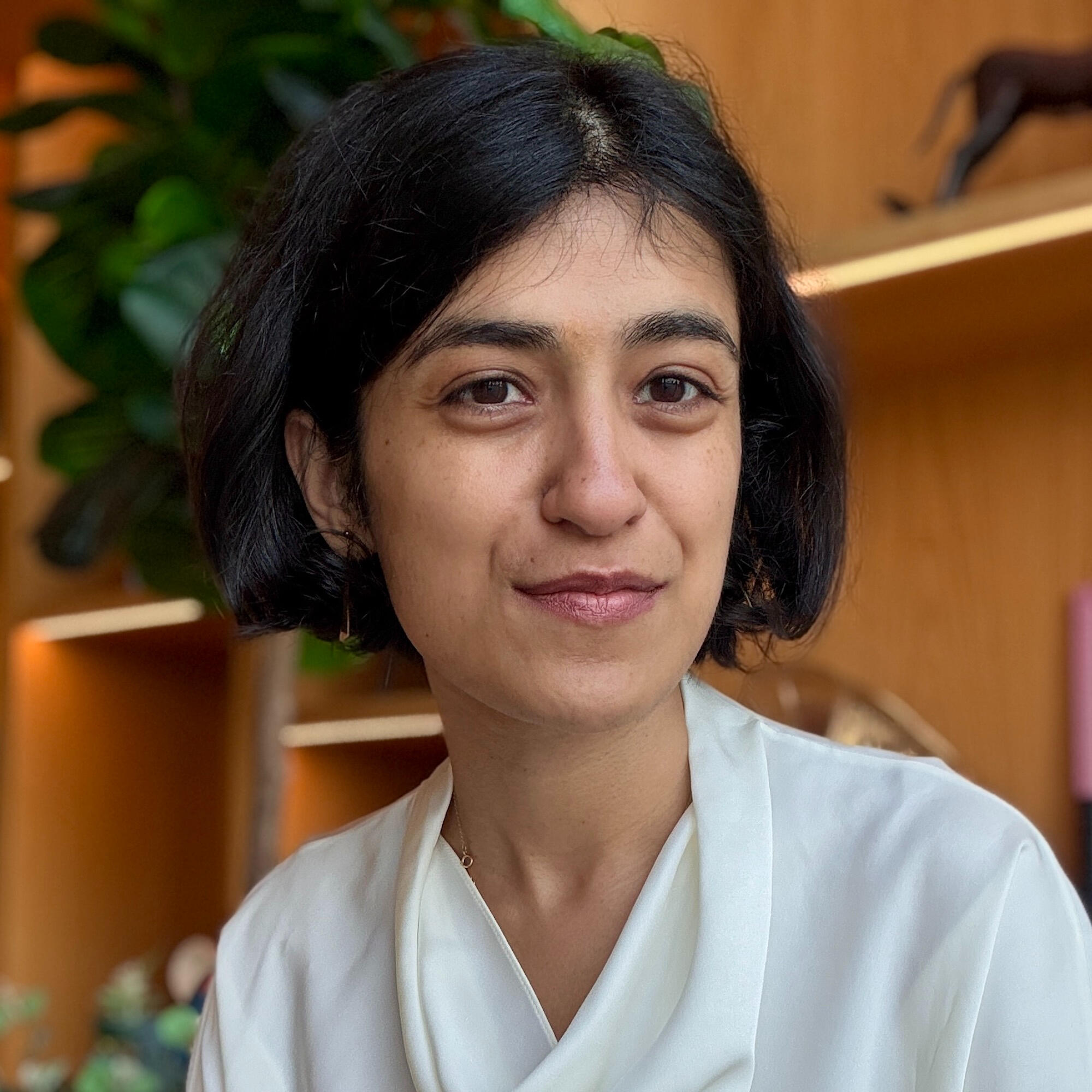
I’m a Pulitzer Prize winning journalist and strategist whose work focuses on what it takes to bring a diverse group of people together, build the conditions for trust, and unlock economic possibility together.My next book, The Infrastructure of Belonging, is out October 2026.Previously, I spent 15 years in media, shaping how people understood the world, building audiences of millions, and building systems to turn them into engaged communities.I launched The Washington Post and CNN on social media platforms including Instagram and Snapchat. I was part of the early team that built Washington Post Live, the live events division.As Head of Content at Freeda, the most engaged social community of young women, I helped scale our reach to 550 million people a year.I’ve lived in five countries and called about a dozen cities home, which has shaped my approach and the questions I've spent my career exploring.I've built two startups focused on small-group connection and belonging. Girlhood was a digital community and media platform funded by Google that was operational across 20+ countries. I facilitated cross-country small-group sessions for young women globally, building storytelling skills, cross-cultural empathy, and creative confidence.I hosted Little Revolutions, a podcast interviewing political leaders, CEOs, and thought leaders, with more than 10 million views.I’m known for innovative storytelling that gets people to slow down and recognise our shared humanity. Some of my most memorable work includes sending disposable cameras to women in 20 countries to create a portrait of motherhood around the world; creating a museum installation showcasing the lives of young people during conflict, as told through TikTok; collecting 10,000 voicemails from voters after a US election; and collecting voicemails to air on CNN by putting flyers in laundromats asking strangers to share their love stories.My first book, Girlhood, published by Algonquin, showcased the stories of 30 young women from 27 countries. It was featured in The Guardian, NPR, CNN, The Washington Post, and additional international media.Now, I write Future Possible, a newsletter exploring how we design and fund the infrastructure for a resilient future.I’m an associate of the Imperial War Museum. I have a degree in Politics, Philosophy, and Economics from Oxford.
work with me
My expertise is in designing models for community and belonging + building economic and business models that support this.I can help if you're thinking through questions like:
You have a large group of people with a shared interest or identity, but you don't know how to turn that into a community.
How do you monetise that community? Nobody wants to pay a subscription fee for belonging
How do you scale the intimacy of a group chats to millions? And who pays for this?
How do you design a space, physical or virtual, so people come together and actually meaningfully engage with each other?
How do you turn one-off events into a recurrent model of community?
I'll help you untangle these questions and understand what your community needs, design a model (a product, a place) that creates a sense of belonging, and develop a business model to sustain this.Why work with me:I have spent my entire career building and scaling community. I understand how to make people come together, find common ground, and want to stay together. And I've spent the last 15 years untangling the challenges around how to fund and scale this.I'm really good at asking questions nobody else does, really listening to people to understand what they're struggling with even if they can't articulate it, seeing a problem from 17 different angles, holding several truths at once, and connecting unexpected ideas.
What working together looks like:
A retained advisory partnership as you navigate a complex moment.
A diagnostic sprint to get to the bottom of a specific problem and map what comes next.
A project with a clear output: a strategy, a framework, a funding case.
If this sounds like something you're interested in, let's talk.
writing
I write Future Possible, a newsletter and podcast exploring the intersection of climate, community, and capital: how we design and fund the infrastructure for a resilient and thriving future.
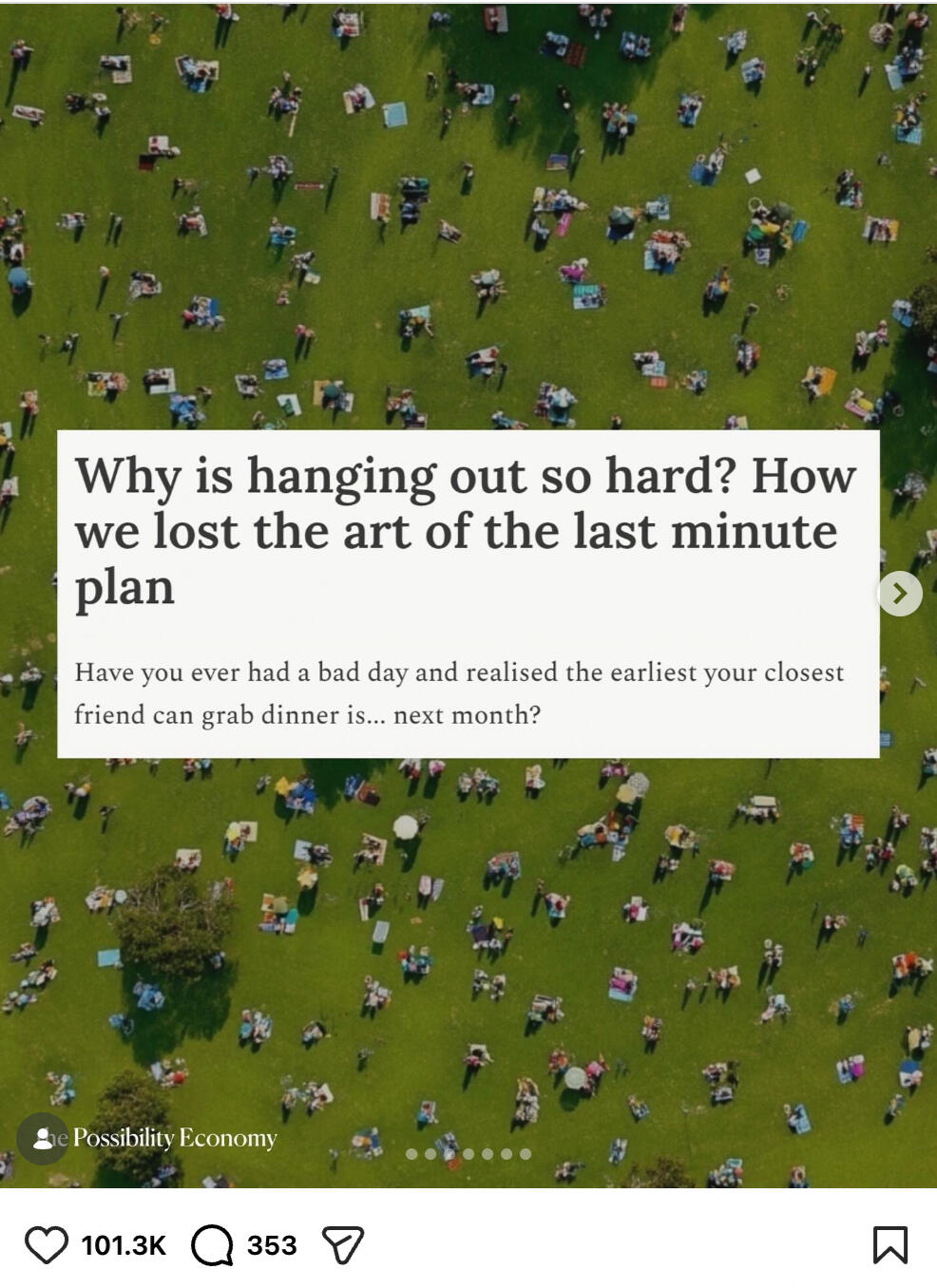
Read + listen here.This was born out of a viral newsletter, The Possibility Economy, which reached 1.5 million people on launch.I am also the author of Girlhood, a book featuring 30 girls from 27 countries around the world.You can explore more of my previous journalism projects here.
Archive
Select projects
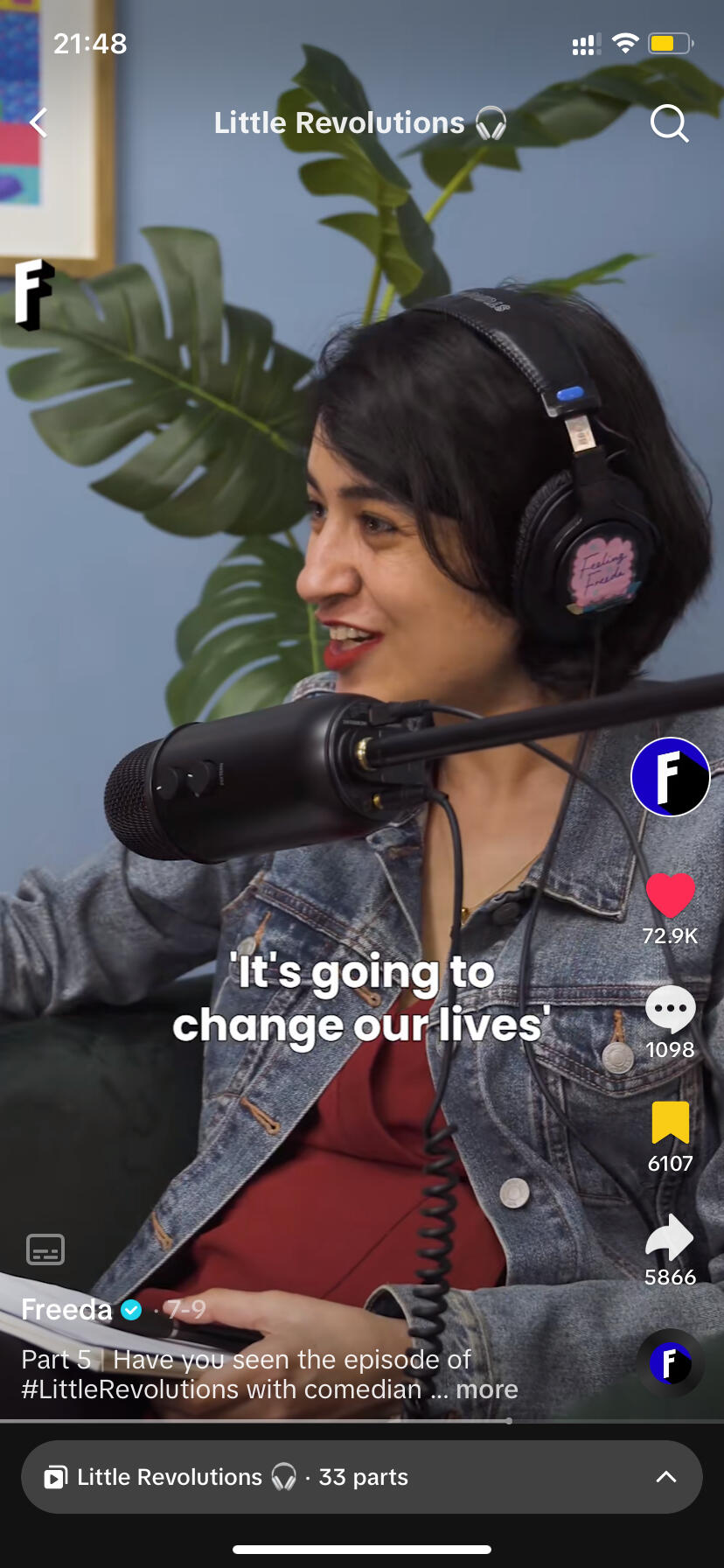
An interview podcast I hosted, featuring conversations with political leaders, CEOs, and thought leaders. It had 10 million+ views on social media and was featured by Apple, Spotify, and Amazon .
Girlhood around the world: A series about the lives of teenage girls (The Washington Post)
This is a ten-part series I wrote for The Washington Post, which was a special mini-series in The Lily newsletter. This was featured on Apple News and Snapchat, and became the basis for my book.Series: Afghanistan | Nigeria | United States | Brazil | Refugee camp in Jordan | Sweden | Philippines | India | Democratic Republic of Congo | Cambodia
This is a museum installation at the Imperial War Museum in Manchester, UK, which I conceived and was created as a partnership between Freeda and IWM.Every day, for a few minutes, the entire museum goes dark and TikTok and Instagram videos are projected on every surface in the space. This is a peek into ordinary life in extraordinarily challenging times, as told through the voices and videos of 15 young Ukrainians.
I conceived, edited and produced this project, where I sent disposable cameras to women in 20 countries to create an intimate portrait of motherhood around the world, published across CNN digital and social platforms.
This piece was a Webby Honoree
This project won an EPPY award. I put flyers up around the United States asking people to leave a voicemail and tell us their love story. The stories aired on TV, social media, and digital platforms.
Not my Mother's World: How the world of women in the workplace has changed - The Washington Post
I conceived, commissioned, and edited this interview series about women and work. Interviewees included Obama White House adviser Valerie Jarrett, DC police chief Cathy Lanier, a Congresswoman and more.
This Year I Learned - The Washington Post
A viral Tumblr sharing human stories and voicemails from people around the world.
Writing and reporting
On air
Inside a training camp for migrant workers in Sri Lanka - BBC Radio 4, BBC World Service
Joy - Anthems Podcast, Broccoli Productions
Inside an open prison in India - BBC Radio 4 / BBC World Service
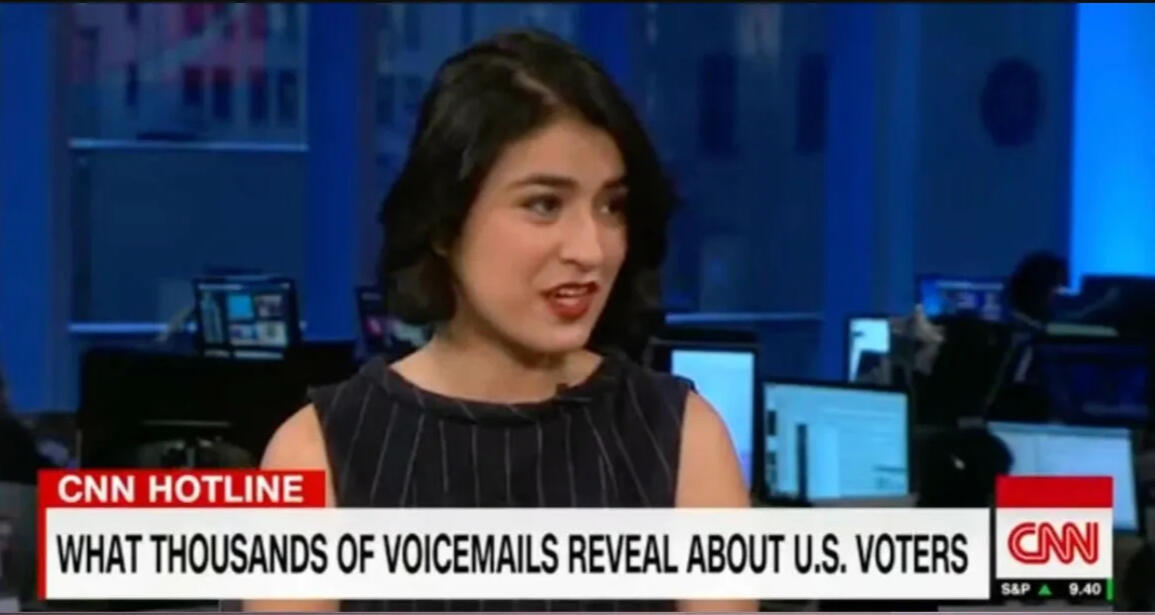
Voicemails from America - CNN - Discussing my reporting about how American voters were feeling in the aftermath of Election Day
Press, speaking, and advisory roles
Speaking
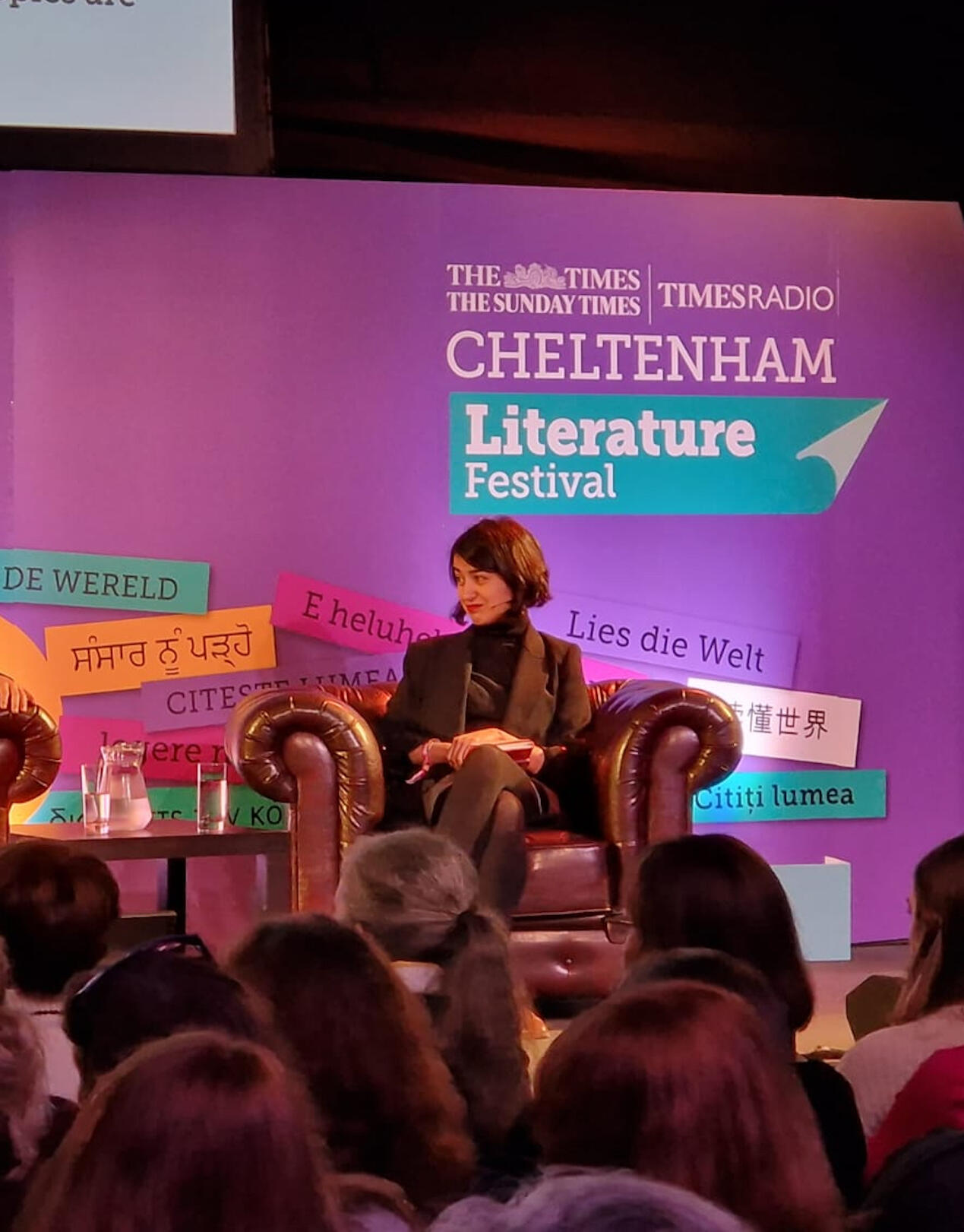
I have chaired panels on women's rights around the world, Gaza, beauty standards, and more at the Cheltenham Literature Festival in recent years. My co-panelists have included a Member of Parliament (UK), leading human rights lawyers who have represented Amber Heard, Booker Prize nominated authors, Penguin's Merky Book winners, and more.I have also guest lectured occassionally on innovation, leadership, and journalism, including at Oxford, Columbia, Goldsmiths, ONA-Poynter Women's Leadership Academy and more.
Advisory Roles
I am an associate, advising the Imperial War Museum in the UK. I also sit on the board of advisors for More to Her Story.
Awards
I share in a Pulitzer Prize for Public Service for the Washington Post's coverage of Edward Snowden and the NSA (2014).I also share in a Webby and and a Murrow Award for CNN's coverage of the 2016 elections on social media.I'm also a Webby honoree and an EPPY award winner for my digital audio projects at CNN.I was awarded a Howard Buffett grant by the International Women's Media Foundation.
Press
Interviews:
- More to Her Story Podcast interview
- Leading Millennials: Masuma Ahuja, CNN - The Splice Newsroom
- The old, new, and unexpected mediums for human stories - Journalism.co.uk podcast
- Making decisions when you're in a cone of uncertainty - Poynter
- CNN and Washington Post are using voicemail to connect with audiences - Journalism.co.uk
- Leave a message after the tone - Journalism.co.uk podcast
- The magic of ‘experiment-land’ in legacy newsrooms - Poynter
- Futures Lab: Ideas for using Vine and Snapchat - Reynolds Journalism Institute
Select press about my book, Girlhood:
- In ‘Girlhood,’ Teens Across the Globe Write About their Everyday Lives - NPR
- Hopes, dreams, and fears: the world of teenage girls through their diaries - The Guardian
- ’Girlhood’ and 6 other stories about being young and female - CNN
- 30 girls in 27 countries weigh in on Girlhood today - Women’s Media Center
Select press about my work:
- How CNN is recreating the #Rio2016 experience on social media - Journalism.co.uk
- How CNN juggles different mobile chat apps to cover the Olympics - DigiDay
- Developed with young readers in mind, CNN’s new Kik bot gives you the basics on big news stories - NiemanLab
- Why CNN, of all places, is asking for love stories - DigiDay
- Messaging apps, voicemail, and other platforms CNN’s Masuma Ahuja is exploring next - Poynter
- How news organizations are trying to get people to talk, and listen, to each other after the election - Poynter
Writing about my career:
- What to do when your career path is uncharted territory - Poynter
- Journalism starts working for, and with, communities - Prediction for journalism in 2023 for Harvard University's Nieman Journalism Lab
- Slower, quieter, more measured and thoughtful - Prediction for journalism in 2020 for Harvard University’s Nieman Journalism Lab
- Making foreign coverage less foreign - Prediction for journalism in 2019 for Harvard University’s Nieman Journalism Lab